
Enhancing Airport Terminal Security Operations
DS
Introduction to Airport Terminal Security
As air traffic continues to grow, enhancing airport terminal security operations becomes increasingly essential. A well-coordinated security strategy not only protects passengers and staff but also ensures the smooth running of airport operations. With technological advancements and evolving threats, airports must adapt and upgrade their security measures to maintain safety and efficiency.
Security in airport terminals is a complex task that involves multiple layers of protection. From perimeter security to passenger screening, each element plays a crucial role in safeguarding the entire facility. In this post, we will explore key areas for improvement and innovation in airport security operations.

Adopting Advanced Technology
Modern technology plays a pivotal role in enhancing airport security. The implementation of cutting-edge solutions like biometric systems, AI-powered surveillance, and advanced scanning technologies can significantly improve the efficiency and accuracy of security operations.
Biometric systems, such as facial recognition and fingerprint scanning, enable quicker and more reliable identification of passengers. These technologies streamline the boarding process while maintaining high-security standards. AI-powered surveillance systems can detect unusual behavior and potential threats in real time, allowing for swift intervention.
Improving Passenger Screening
Passenger screening is a critical component of airport security. To enhance this process, airports are adopting new technologies such as millimeter-wave scanners and CT-based baggage scanners. These advanced tools provide a more detailed view of passengers and their belongings, ensuring that potential threats are identified without causing delays.

Enhancing Staff Training and Coordination
While technology is crucial, human factors remain an integral part of airport security. Well-trained staff can effectively operate security systems and respond to emergencies. Regular training sessions and drills ensure that personnel are prepared for various scenarios, from handling suspicious items to managing large crowds during peak travel times.
Coordination between different security teams within the airport is also vital. Establishing clear communication channels and protocols helps in sharing information quickly and efficiently, ensuring a cohesive response to any incidents.
Implementing Risk-Based Security Measures
Risk-based security measures allow airports to allocate resources more effectively by focusing on higher-risk areas and individuals. This approach involves assessing threat levels based on various factors such as passenger profiles, travel history, and real-time intelligence.
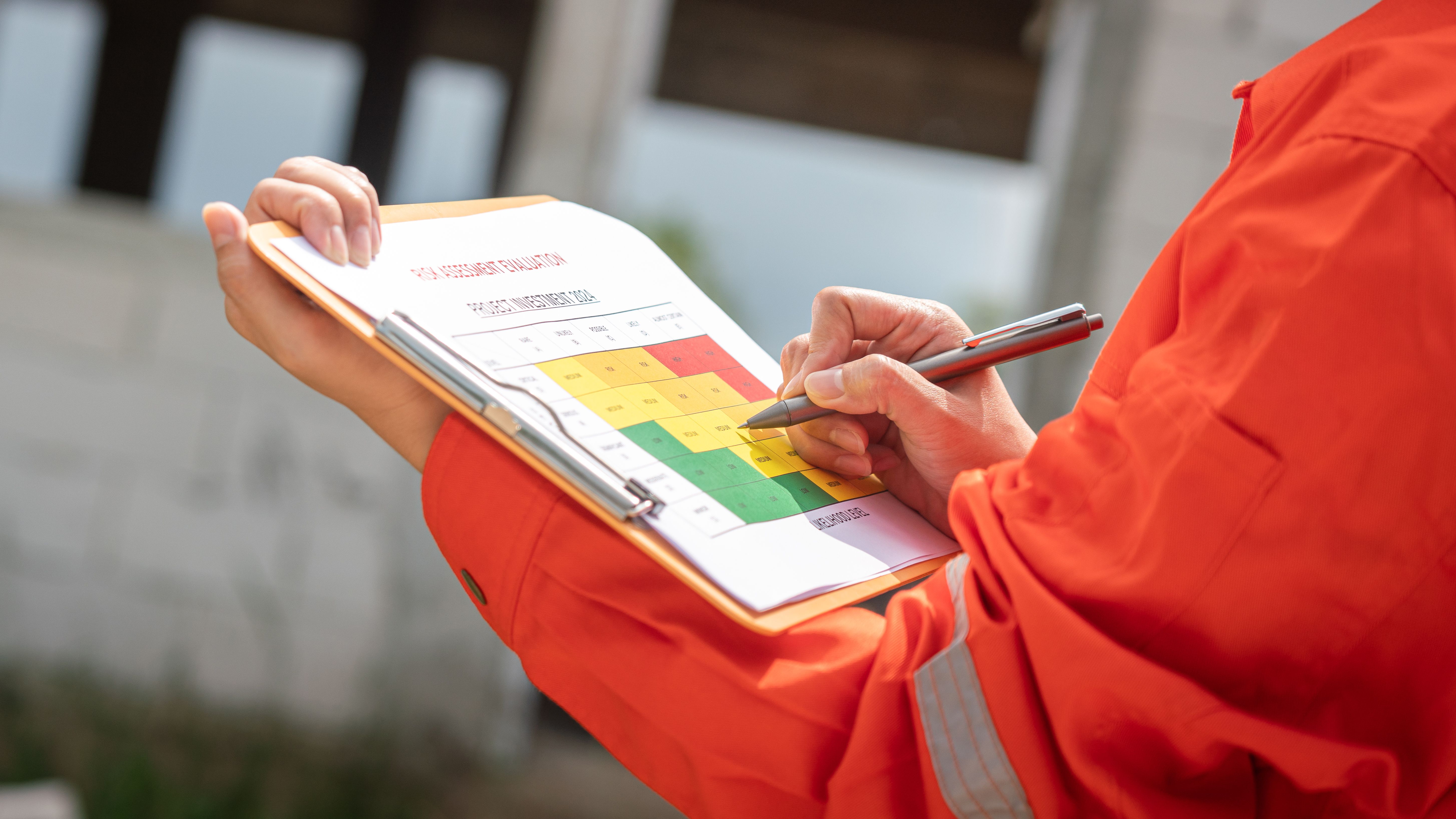
By prioritizing resources where they are most needed, airports can enhance security without compromising passenger convenience. This targeted approach also helps in reducing wait times and improving the overall passenger experience.
Collaborating with International Partners
Global collaboration is essential for robust airport security. By sharing information and best practices with international partners, airports can stay informed about emerging threats and innovations. Initiatives like the International Civil Aviation Organization's (ICAO) Global Aviation Security Plan facilitate cooperation between countries to strengthen aviation security worldwide.
Such collaborations enable airports to adopt standardized practices, ensuring consistency in security measures across borders. This not only enhances safety but also boosts passenger confidence in air travel.
Conclusion
In conclusion, enhancing airport terminal security operations requires a multifaceted approach that combines advanced technology, effective staff training, risk-based measures, and international collaboration. By continuously evolving and adapting to new challenges, airports can ensure they remain secure environments for travelers and staff alike.
The future of airport security lies in balancing stringent protection with efficient operations, ultimately providing a safe and seamless experience for all passengers.